


Using Thaumatin in Bakery Products: Dosage, Taste Masking & Stability
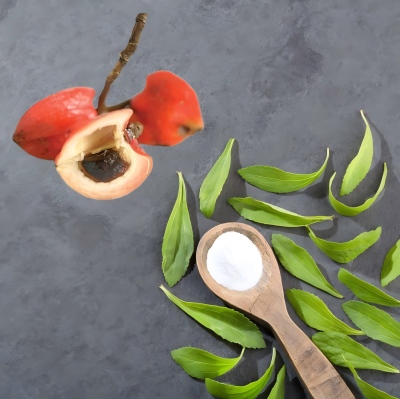
Thaumatin, a natural protein sweetener derived from the West African katemfe fruit (Thaumatococcus daniellii), offers a promising alternative to traditional sugars in bakery products. Known for its intense sweetness—approximately 2,000 to 3,000 times sweeter than sucrose—it allows for significant sugar reduction without compromising taste. In bakery applications, thaumatin serves not only as a sweetener but also as a flavor enhancer and modifier, making it ideal for products like cakes, cookies, and breads where maintaining sensory appeal is crucial.
When incorporating thaumatin into bakery products, dosage is a critical factor due to its high potency. Typically, concentrations range from 1 to 300 parts per million (ppm) to achieve the desired sweetness level, depending on the product's formulation and other ingredients present. For instance, in low-sugar baked goods, a dosage of 50-100 ppm might suffice to replace a portion of sucrose, while higher amounts could be used in synergy with other sweeteners. Precise dosing is essential to avoid overpowering sweetness or off-notes, and it should be determined through sensory evaluations to ensure optimal palatability.
One of the most important advantages of thaumatin in baking is its strong taste-masking capability. It effectively conceals bitter or metallic aftertastes often associated with artificial sweeteners like saccharin or certain functional ingredients. In baked items containing cocoa, nuts, or alternative flours, thaumatin can enhance overall flavor harmony by modifying taste perception and reducing astringency. This taste-masking property is particularly beneficial in gluten-free or high-fiber bakery formulations, where off-flavors from unconventional ingredients might otherwise detract from consumer acceptance.
Stability is another key advantage of thaumatin in bakery applications, as it remains effective across a wide pH range of 2 to 10 and withstands high temperatures, often above 100°C, without significant degradation. This thermal stability makes it suitable for baking processes involving ovens or high-heat mixing, unlike some other protein sweeteners. However, care should be taken in extremely acidic or prolonged heating conditions to preserve its functionality. Overall, thaumatin's robustness ensures consistent performance in shelf-stable bakery products, contributing to extended product quality and sensory attributes over time.