


How Food & Beverage Brands Are Using Thaumatin to Reduce Sugar by 40%
How Food & Beverage Brands Are Using Thaumatin to Reduce Sugar by 40%
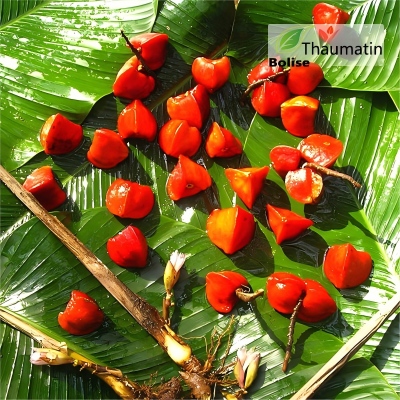
In the competitive world of food and beverages, brands face growing pressure from consumers who demand healthier options without losing the taste they love. Thaumatin, a natural sweet protein extracted from the katemfe fruit in West Africa, emerges as a powerful tool for achieving this balance. This ingredient allows companies to cut sugar levels by up to 40% or more in products like drinks, snacks, and dairy items, while keeping the sweetness intact and even improving overall flavor profiles.
What is Thaumatin?
What is Thaumatin? Thaumatin comes from the Thaumatococcus daniellii plant, native to tropical regions. It stands out as one of the sweetest natural substances known, delivering a sweetness intensity 2,000 to 3,000 times greater than regular table sugar. Unlike artificial sweeteners, thaumatin qualifies as a protein, making it a clean-label choice that appeals to health-conscious shoppers. Regulatory bodies such as the FDA recognize it as generally safe, and it carries no calories, which supports its role in low-sugar formulations.
The Science Behind Sugar Reduction with Thaumatin
Thaumatin works by binding to specific taste receptors on the tongue, particularly T1R2 and T1R3, which trigger a strong sweet sensation even in tiny amounts. This mechanism lets brands replace a significant portion of sugar with just a fraction of thaumatin, often achieving a 40% reduction without altering the product's core taste. Research shows that combining thaumatin with other natural elements, like monk fruit extract or fiber sources, enhances this effect by creating a more rounded sweetness that mimics sugar's profile.
Studies on soft drinks demonstrate that adding thaumatin at low concentrations can cut sugar content from 10% to 6% or lower, maintaining consumer satisfaction. Precision fermentation techniques, used by companies like Conagen, now produce thaumatin variants such as thaumatin II at scale, ensuring consistent quality and supply for large-scale manufacturing.
Benefits for Food and Beverage Brands
One major advantage lies in cost savings, as thaumatin's high potency means less material is needed compared to sugar. Brands report potential reductions in ingredient expenses while meeting nutritional guidelines, such as those limiting added sugars in beverages. It also masks unwanted flavors, like bitterness from plant-based proteins or astringency in teas, allowing for cleaner recipes.
From a marketing perspective, thaumatin supports claims of "natural sweetness" and "reduced sugar," which resonate with trends toward wellness. Products formulated with it often see improved shelf life due to lower moisture from reduced sugar, and they appeal to diabetic consumers or those monitoring blood sugar levels, as thaumatin does not spike glucose.
Real-World Applications and Examples
Beverages Leading the Way
Beverage giants and startups alike integrate thaumatin into sodas, juices, and energy drinks to slash sugar by 40%. For instance, Sweegen's Sweetensify Flavors line incorporates thaumatin II alongside brazzein to create low-calorie soft drinks that taste just like their full-sugar counterparts. This approach has been adopted in fruit-flavored waters and iced teas, where thaumatin enhances natural fruit notes while cutting sugar from 8 grams per serving to under 5 grams.
Dairy and Non-Dairy Products
In yogurts and milk alternatives, thaumatin helps reduce sugar in flavored varieties. Companies like Icon Foods use their ThauSweet VRM blend, which mixes thaumatin with cassava root fiber, to formulate reduced-sugar ice creams and protein shakes. This results in products with 40% less sugar, yet a creamy mouthfeel that rivals traditional recipes, making it ideal for high-protein dairy drinks popular among fitness enthusiasts.
Snacks and Confectionery Innovations
Chocolate and snack brands, such as Oobli, employ thaumatin in their precision-fermented sweet proteins to produce bars and treats with up to 70% sugar reduction in some cases, though 40% remains a common target for balanced taste. Their chocolate products maintain a rich, indulgent flavor without the calories, showcasing how thaumatin can transform high-sugar categories into healthier options.
Implementation Steps for Brands
To start using thaumatin, brands first assess current recipes to identify sugar-heavy components. They conduct sensory tests to determine the optimal thaumatin dosage, typically starting at 0.01% to 0.05% of the total formula weight. Next, they blend it with complementary ingredients like fibers or other sweeteners to fine-tune taste and texture.
Partnering with suppliers such as Bolise Co., Ltd. ensures access to high-purity thaumatin. After formulation, brands run stability trials to check for flavor consistency over time, followed by scaling production. Finally, they update labels to highlight the sugar reduction, often conducting consumer panels to confirm acceptance before launch.
Future Outlook on Thaumatin in the Industry
As global health initiatives push for lower sugar intake, thaumatin's role will expand into new categories like baked goods and sauces. Innovations in fermentation technology promise even purer forms, enabling deeper reductions beyond 40%. Brands that embrace this ingredient position themselves as leaders in sustainable, health-focused innovation, meeting evolving consumer expectations for taste and nutrition.